Research & publications
Articles, book chapters, reviews, and drafts connected to Borneo, Indonesia, and material culture.
Insights gathers the written, photographic, and narrative work of Junita Arneld: publications, museum documentation, field notes, and concise readings of Indonesian material heritage.
The page connects object study, photography, and cultural continuity without turning knowledge into decoration.
Articles, book chapters, reviews, and drafts connected to Borneo, Indonesia, and material culture.
Museum assignments, exhibition documentation, and field photography carried by careful looking.
Short readings that return objects to form, use, memory, and cultural setting.
Junita Arneld’s research has developed through fieldwork, museum collaboration, and long-term study of Indonesian material heritage, with a strong focus on Borneo and eastern Indonesia.
A visual index of selected publications, essays, reviews, and research-related documents. Images are kept as references; bibliographic detail can be clarified on request.
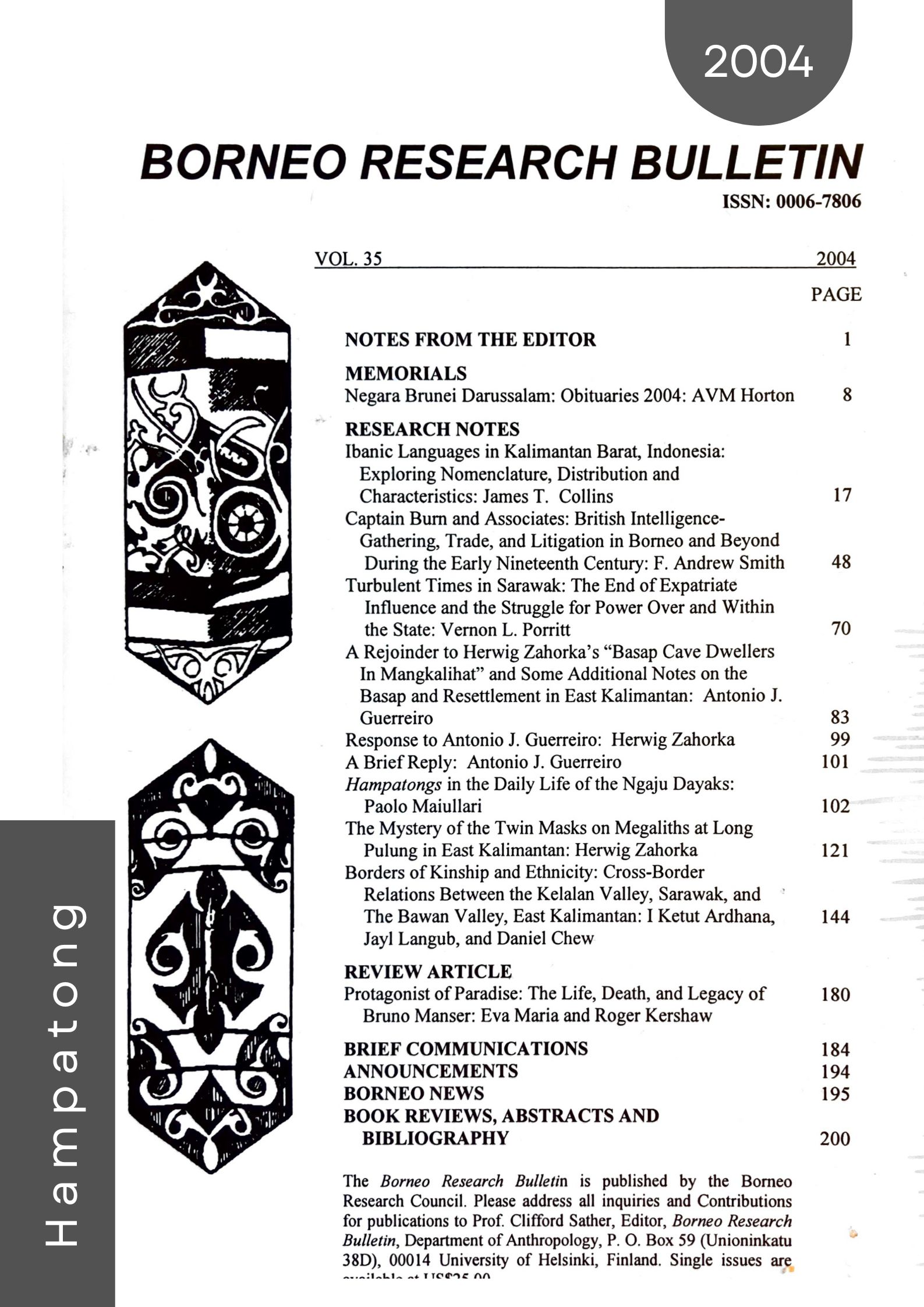
2004 · Early research note on Borneo material culture.
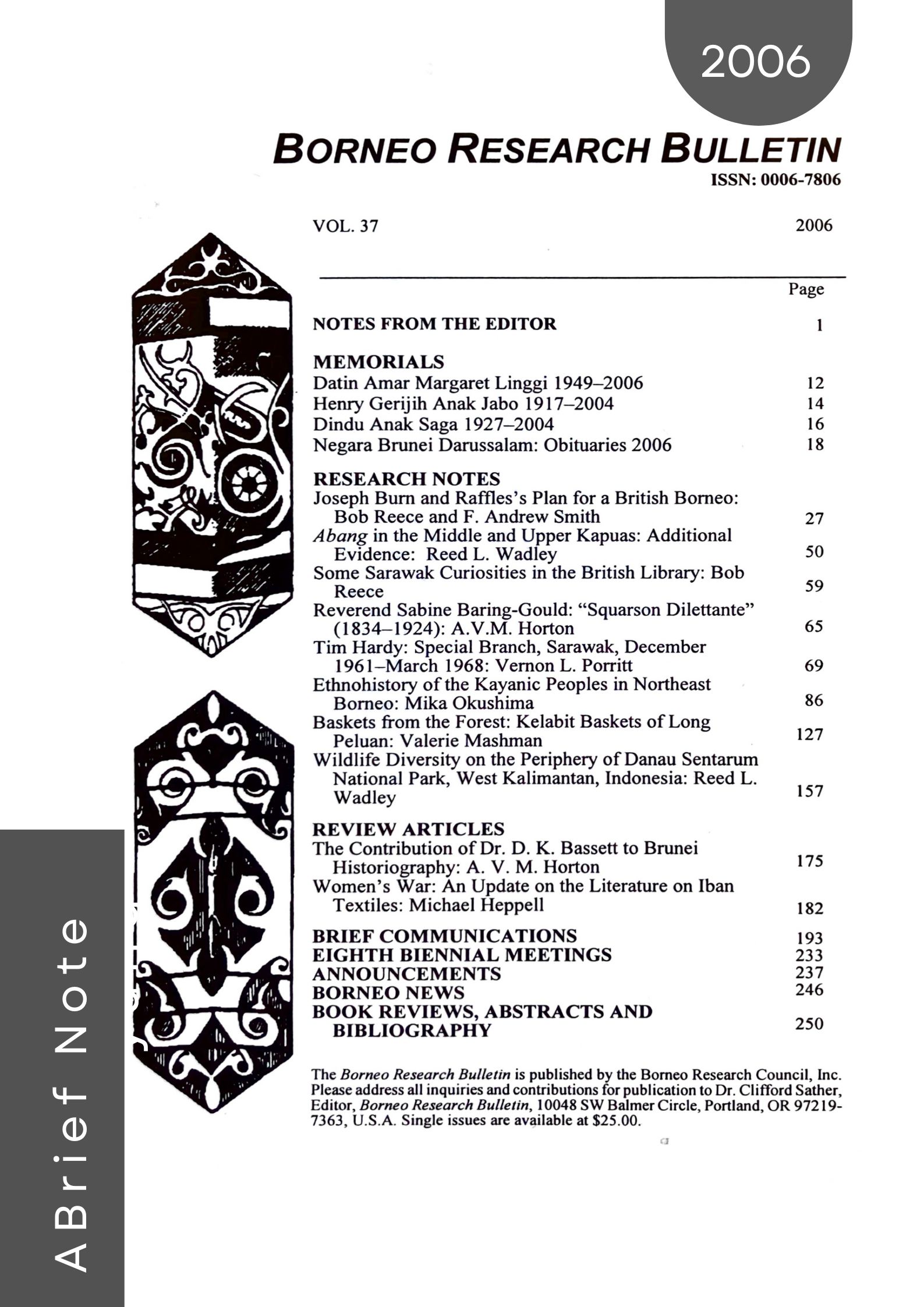
2006 · Research writing connected to Dayak material culture.
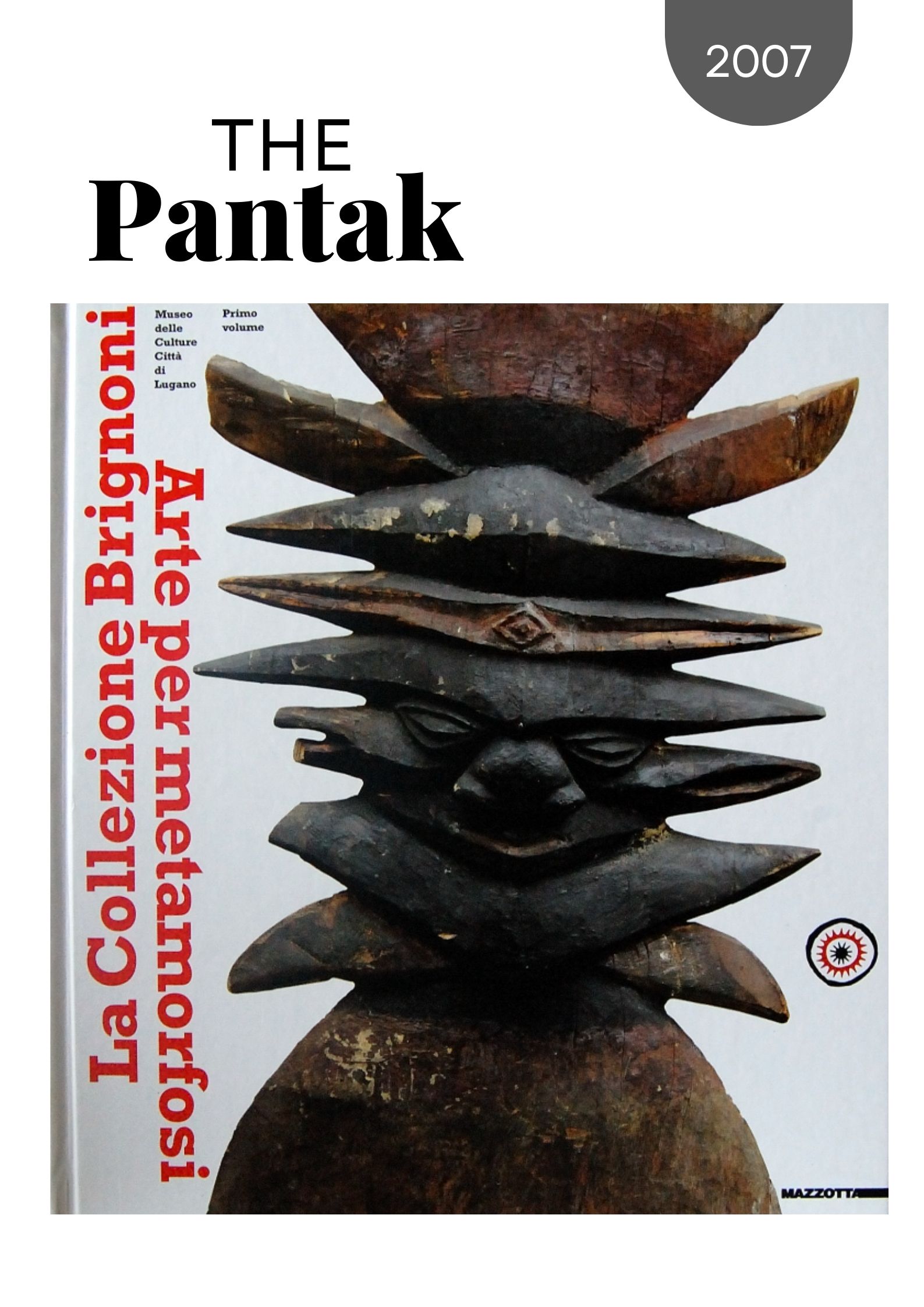
2007 · Publication on Bornean sculptural traditions.
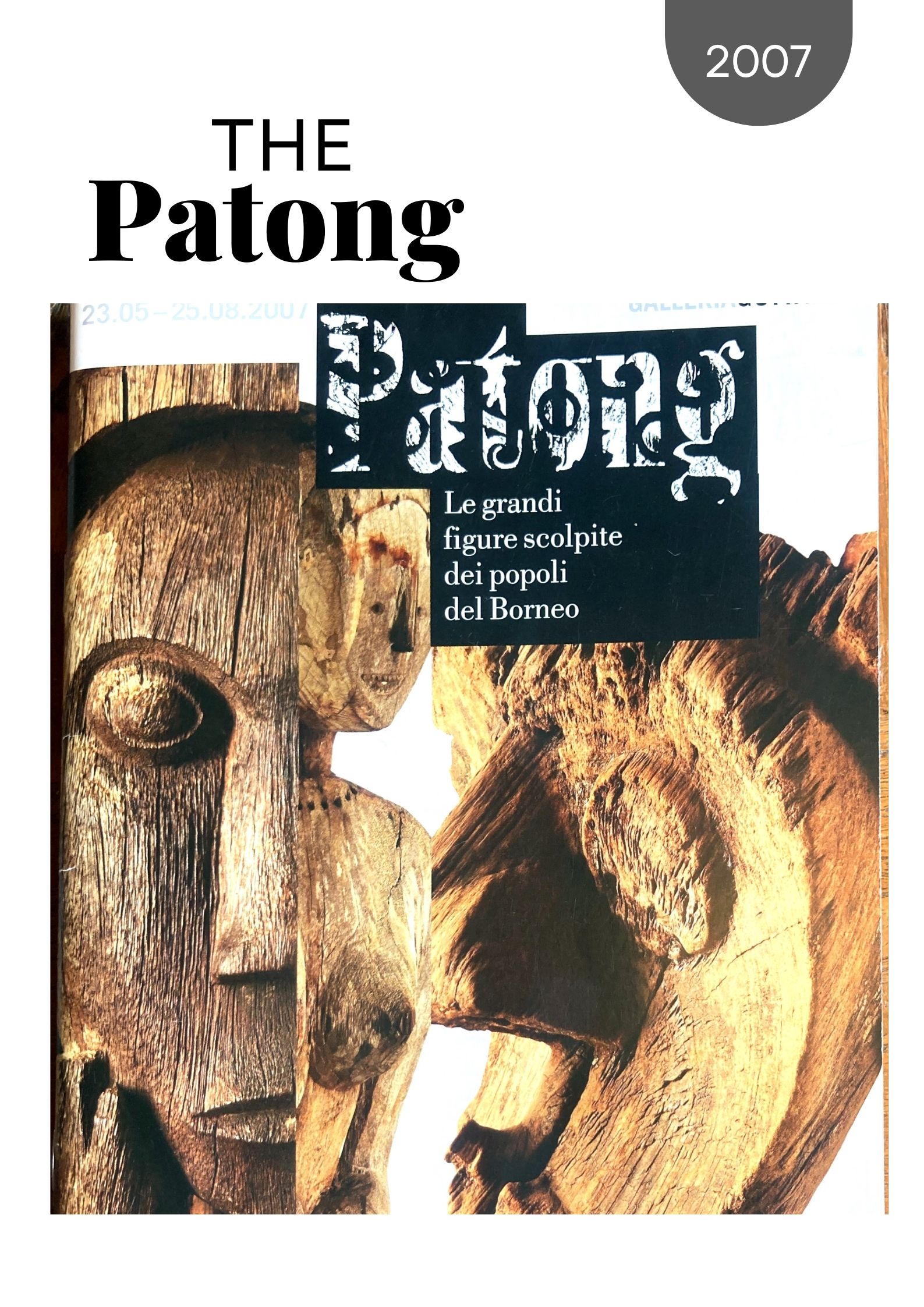
2007 · Writing on large carved figures from Borneo.
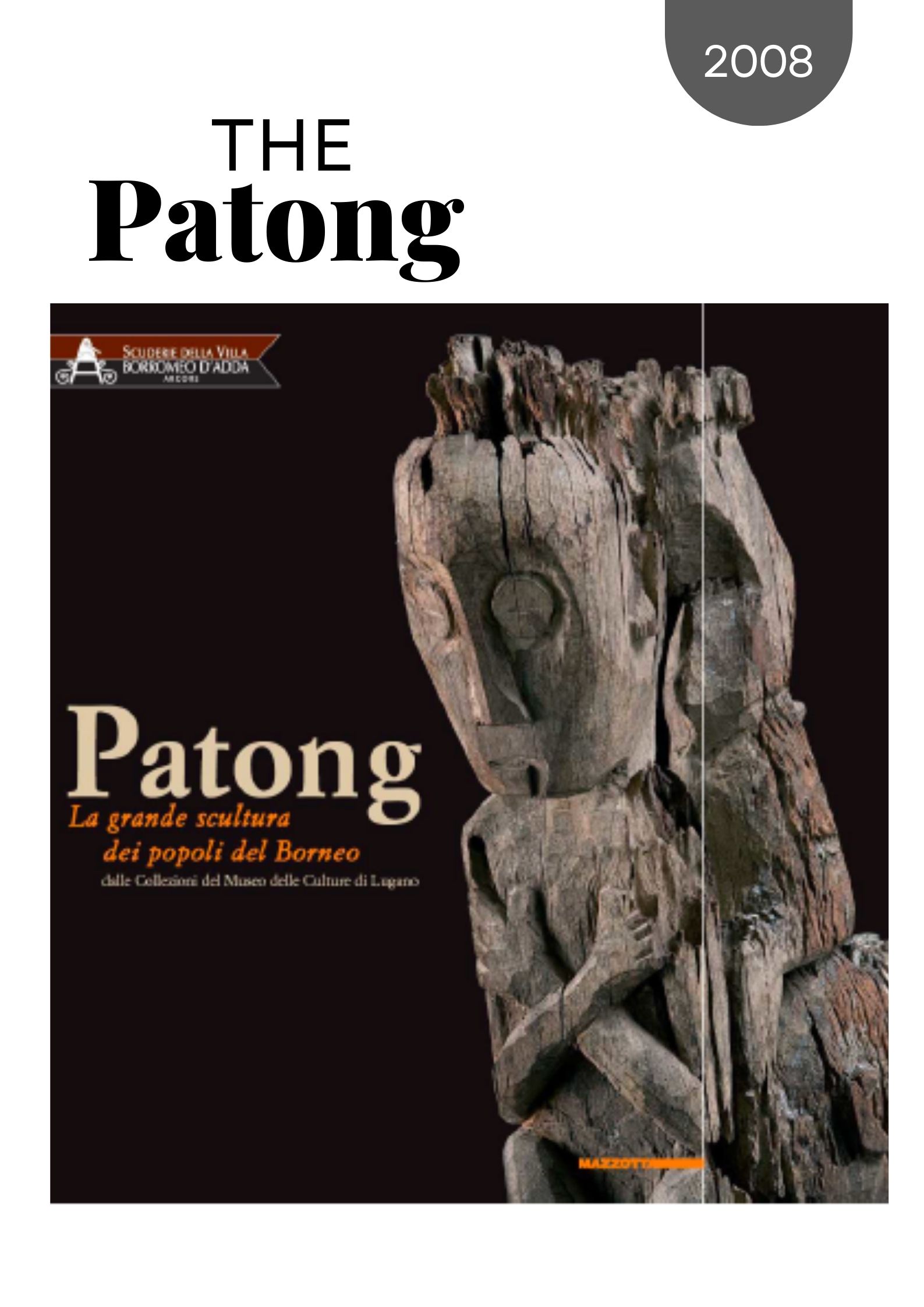
2008 · Book publication on Bornean sculpture.
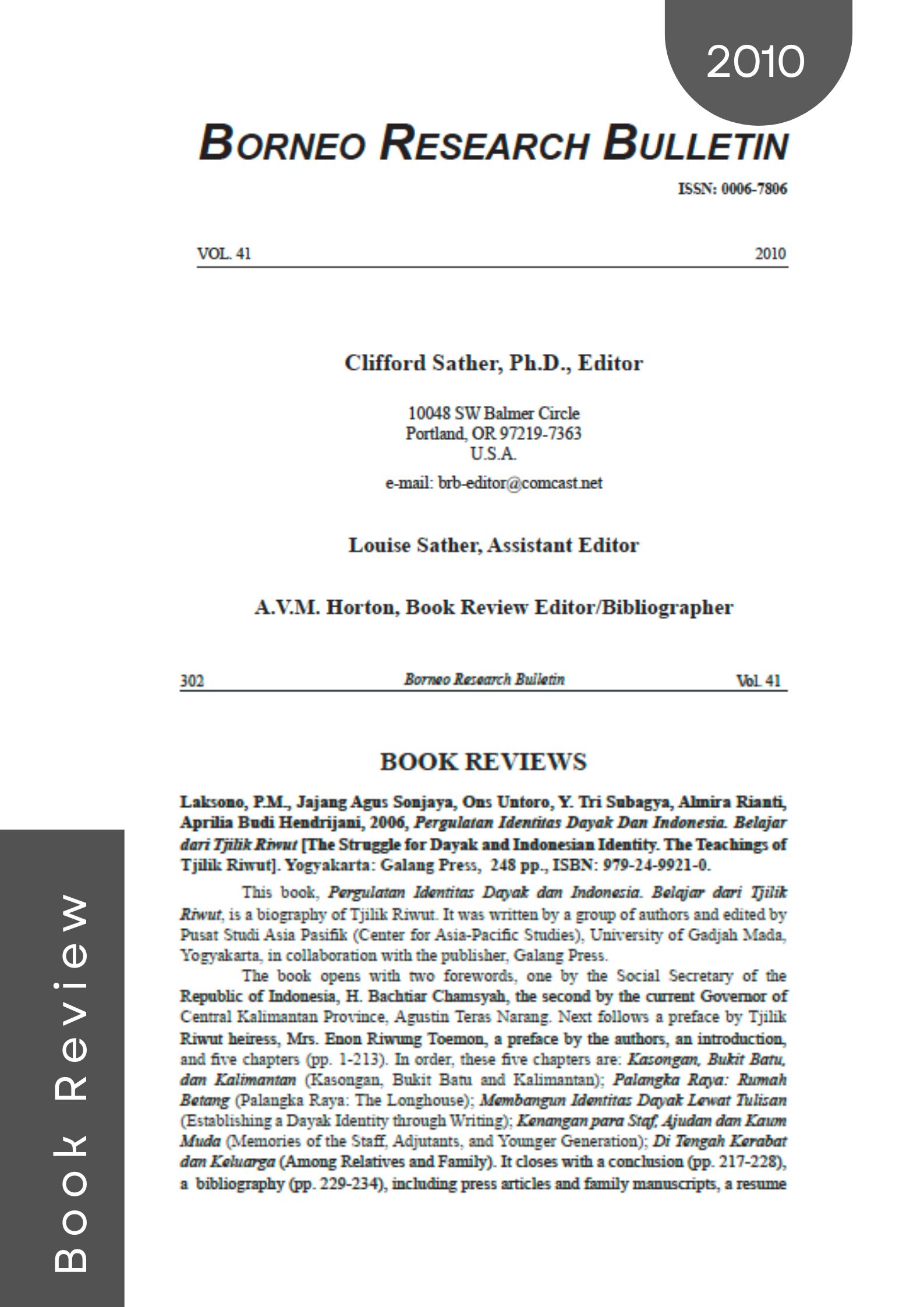
2010 · Review work connected to Dayak identity and religious transformation.
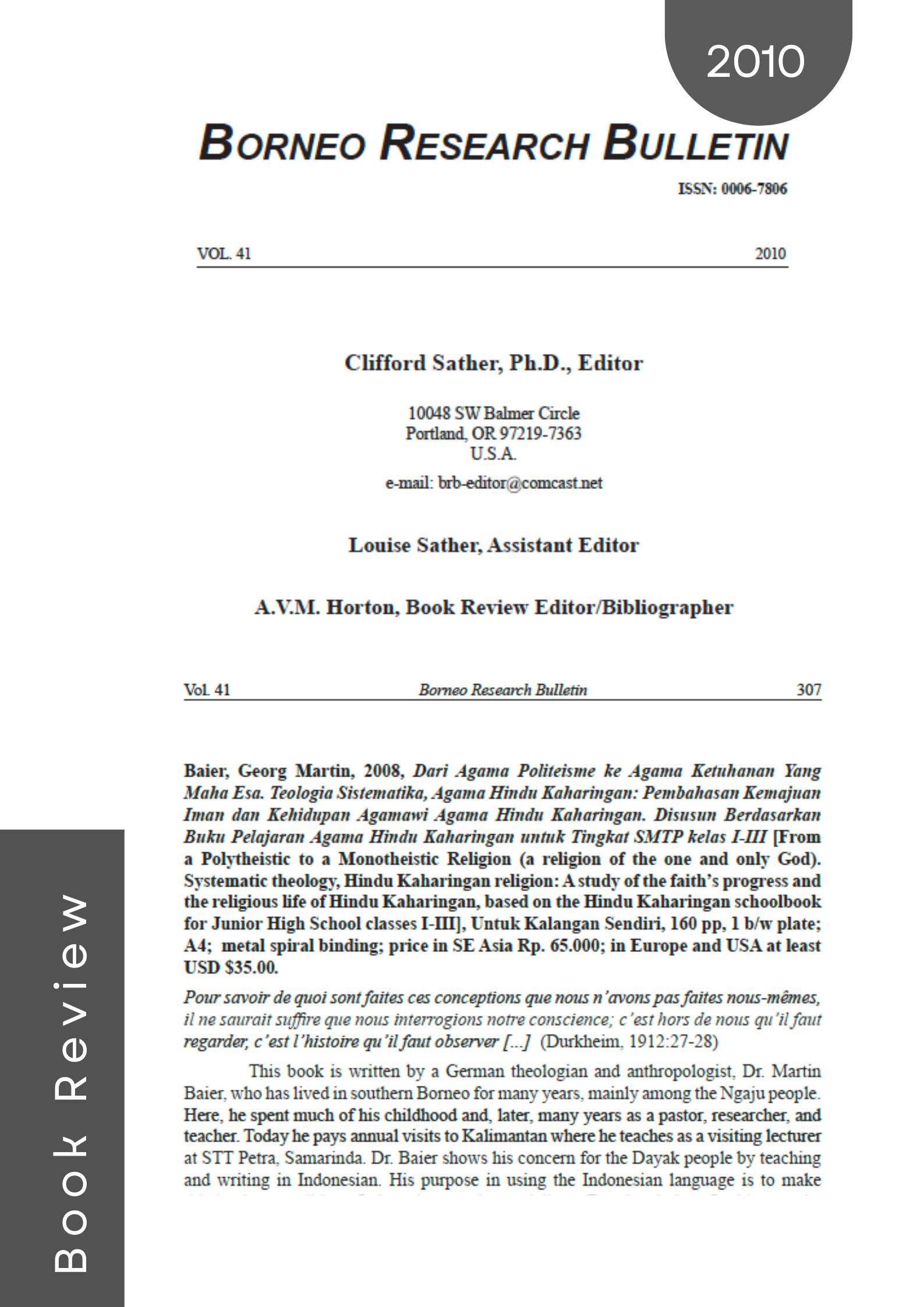
2010 · Review work in Borneo studies.
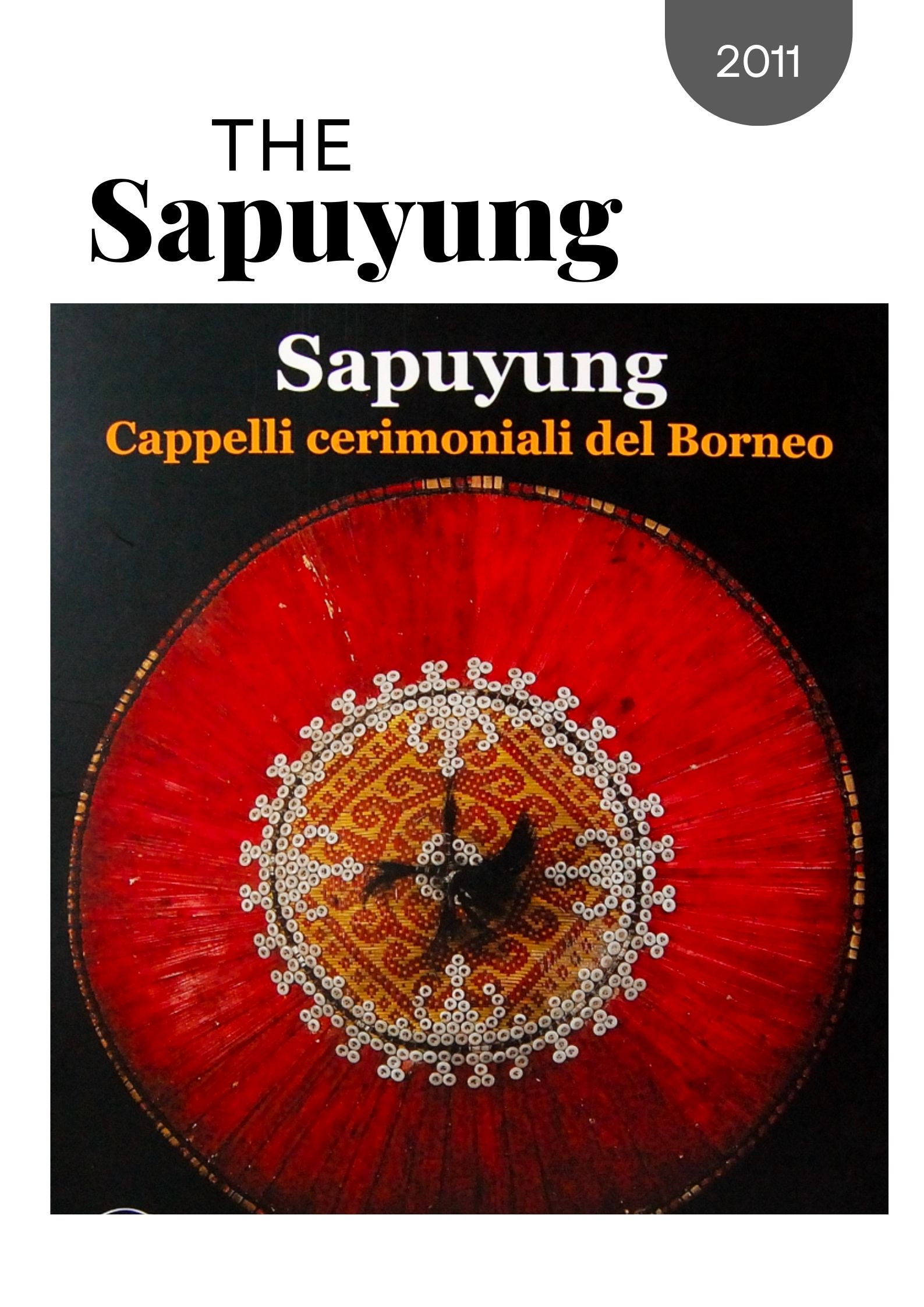
2011 · Study of Ngaju ceremonial hats and their ritual use.
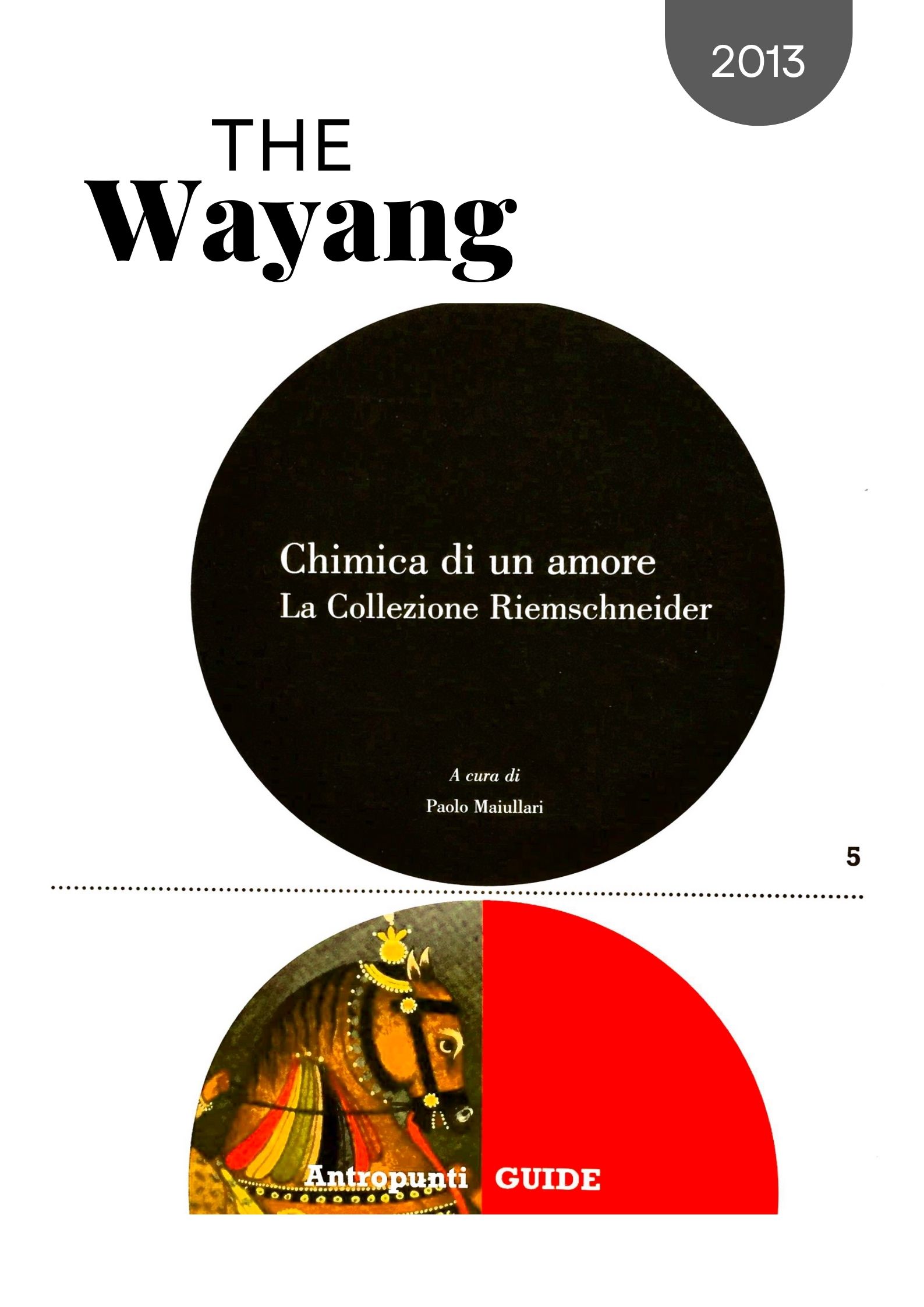
2013 · Writing on Javanese wayang, divinity, and daily life.
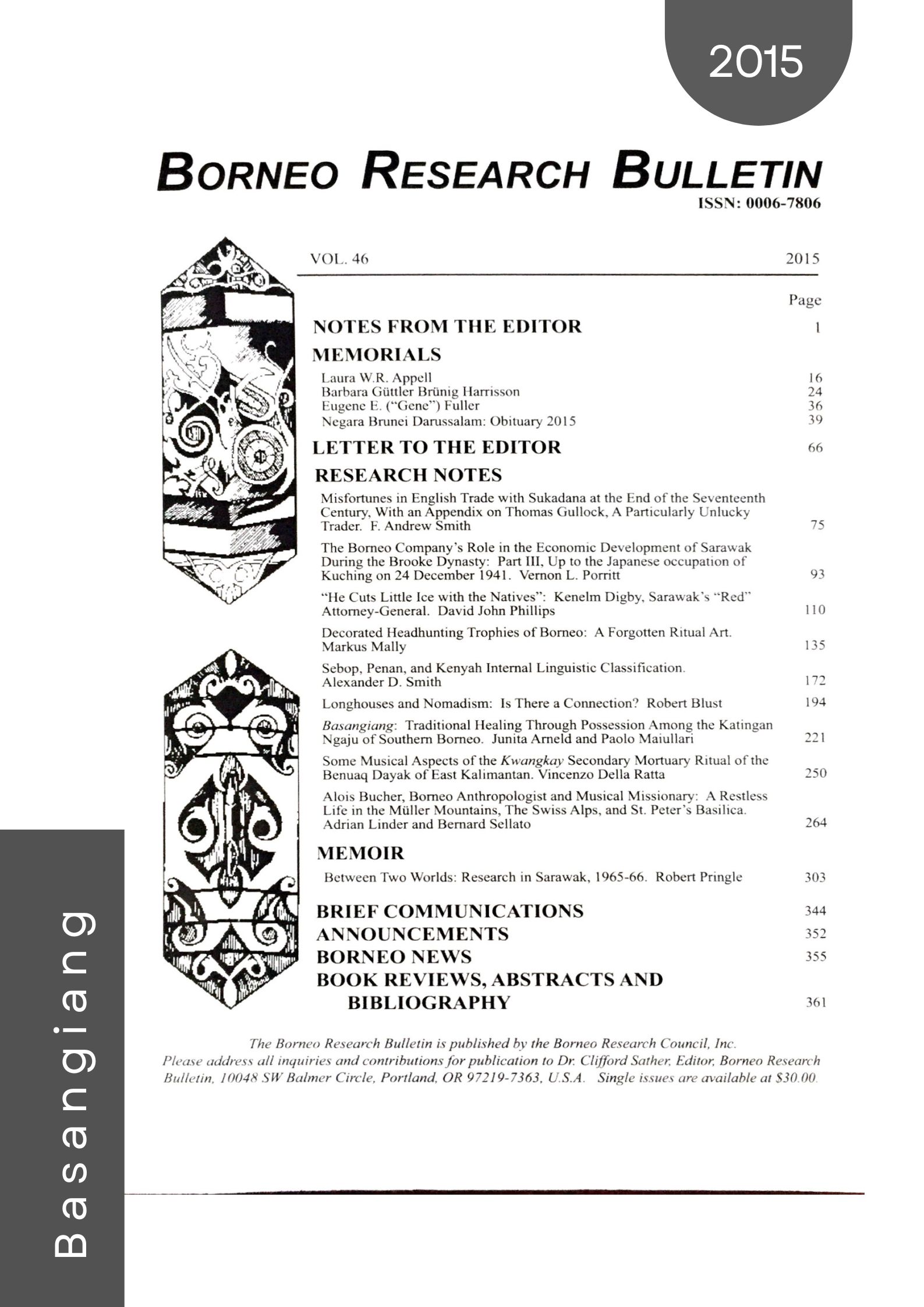
2015 · Article on healing, possession, and ritual practice in southern Borneo.
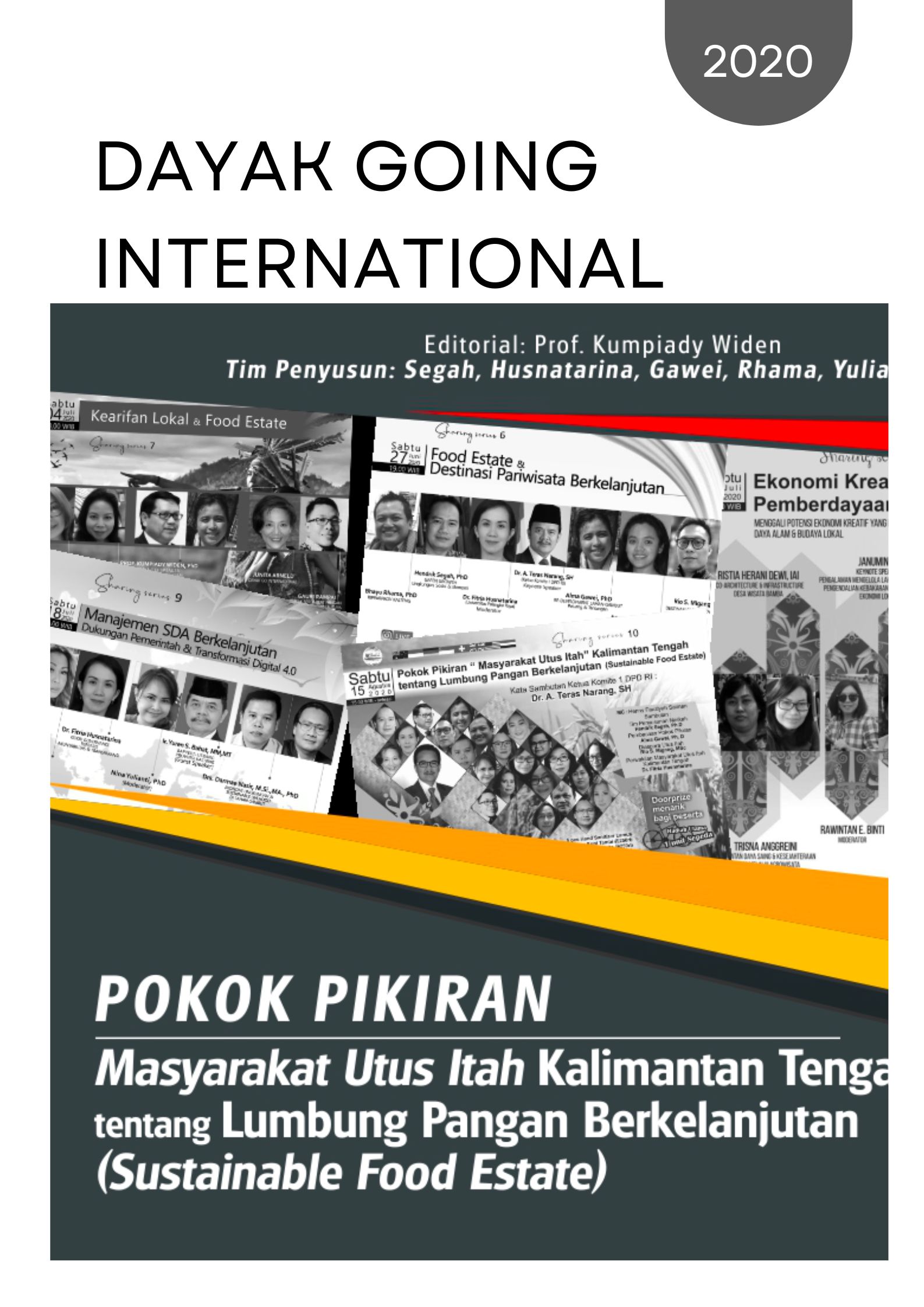
2020 · Essay on Dayak cultural visibility and international presentation.
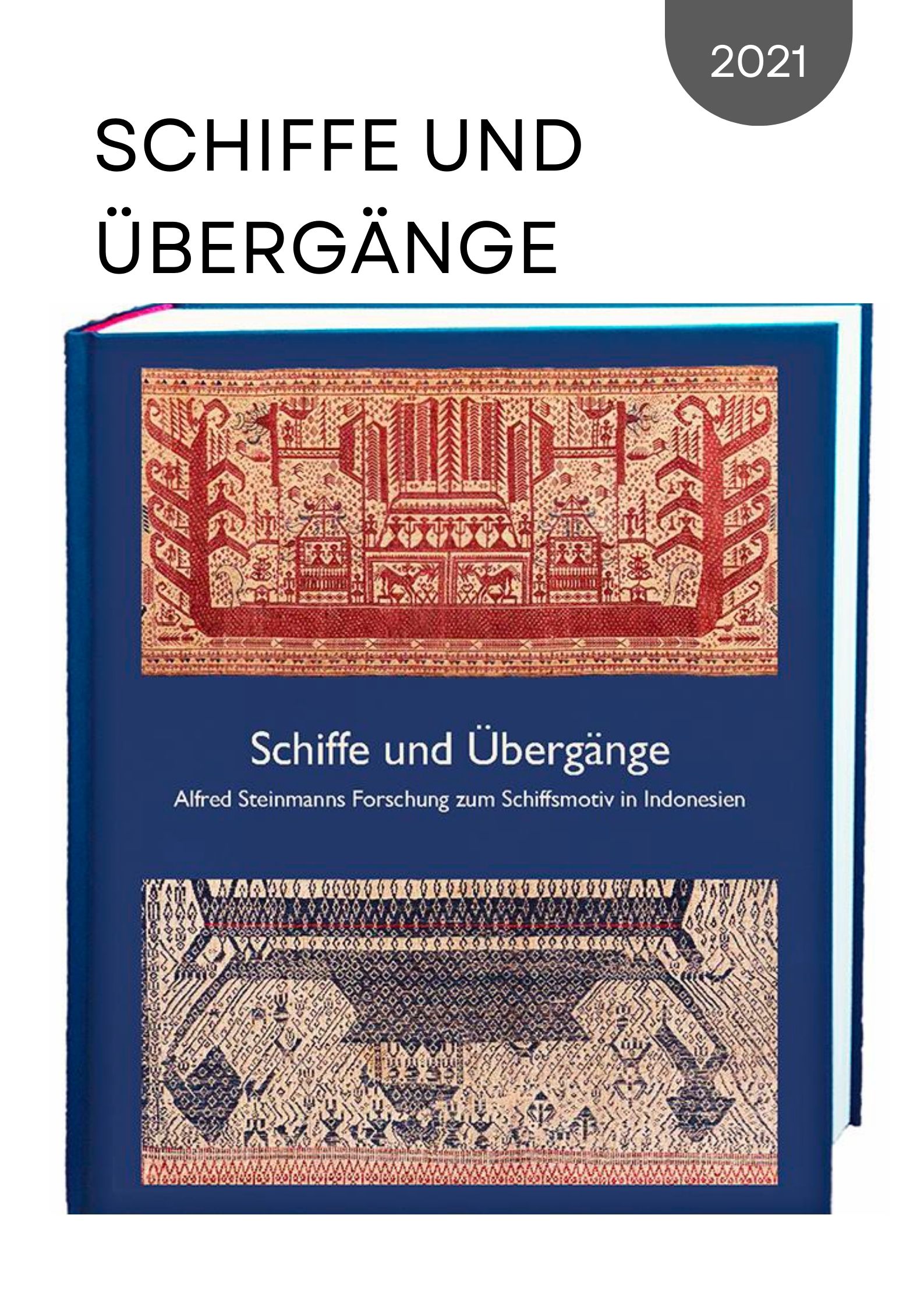
2021 · Book chapter on Ngaju funerary paintings and the ship motif in Borneo.
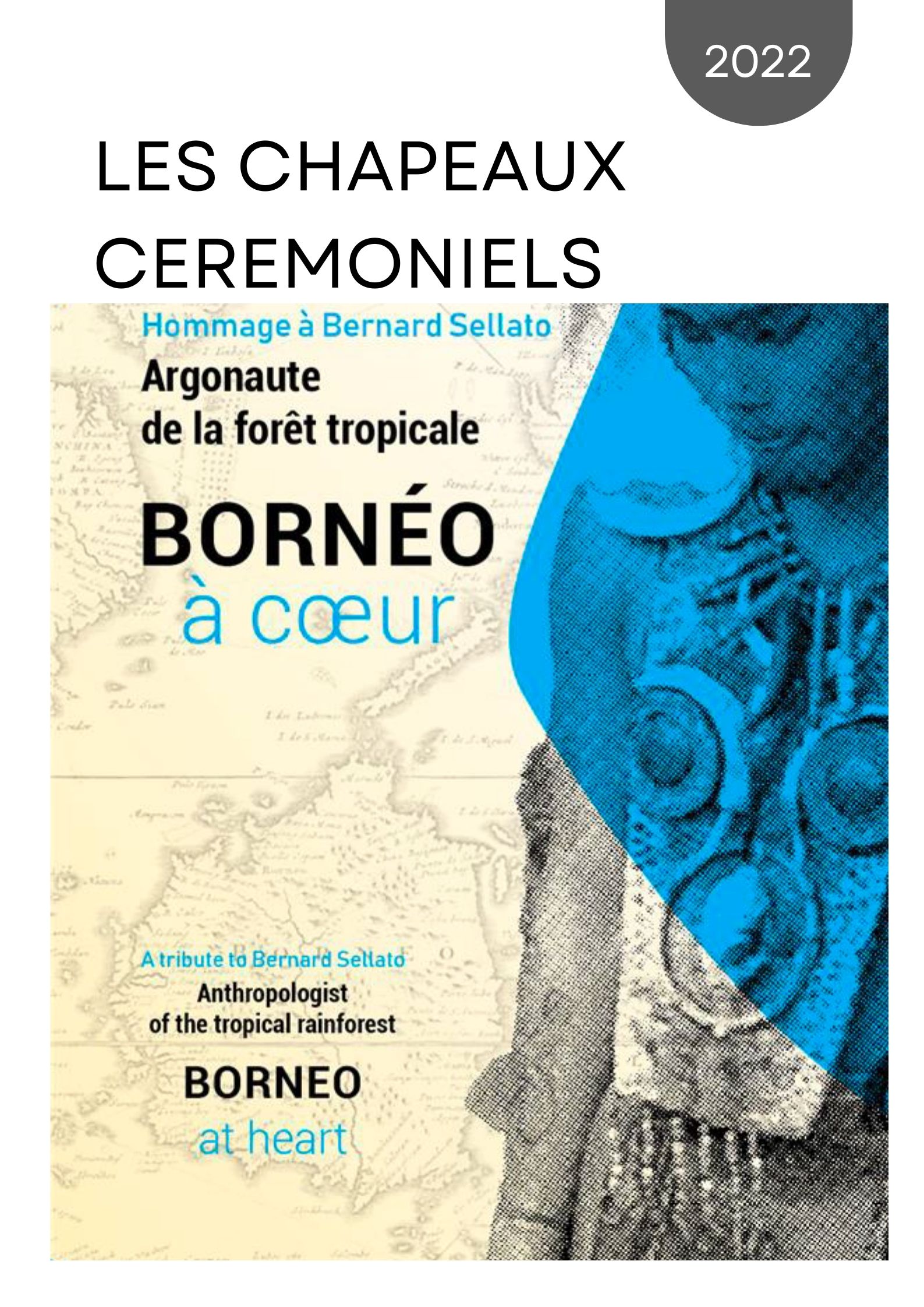
2022 · Book chapter on sapuyung daré ceremonial hats.
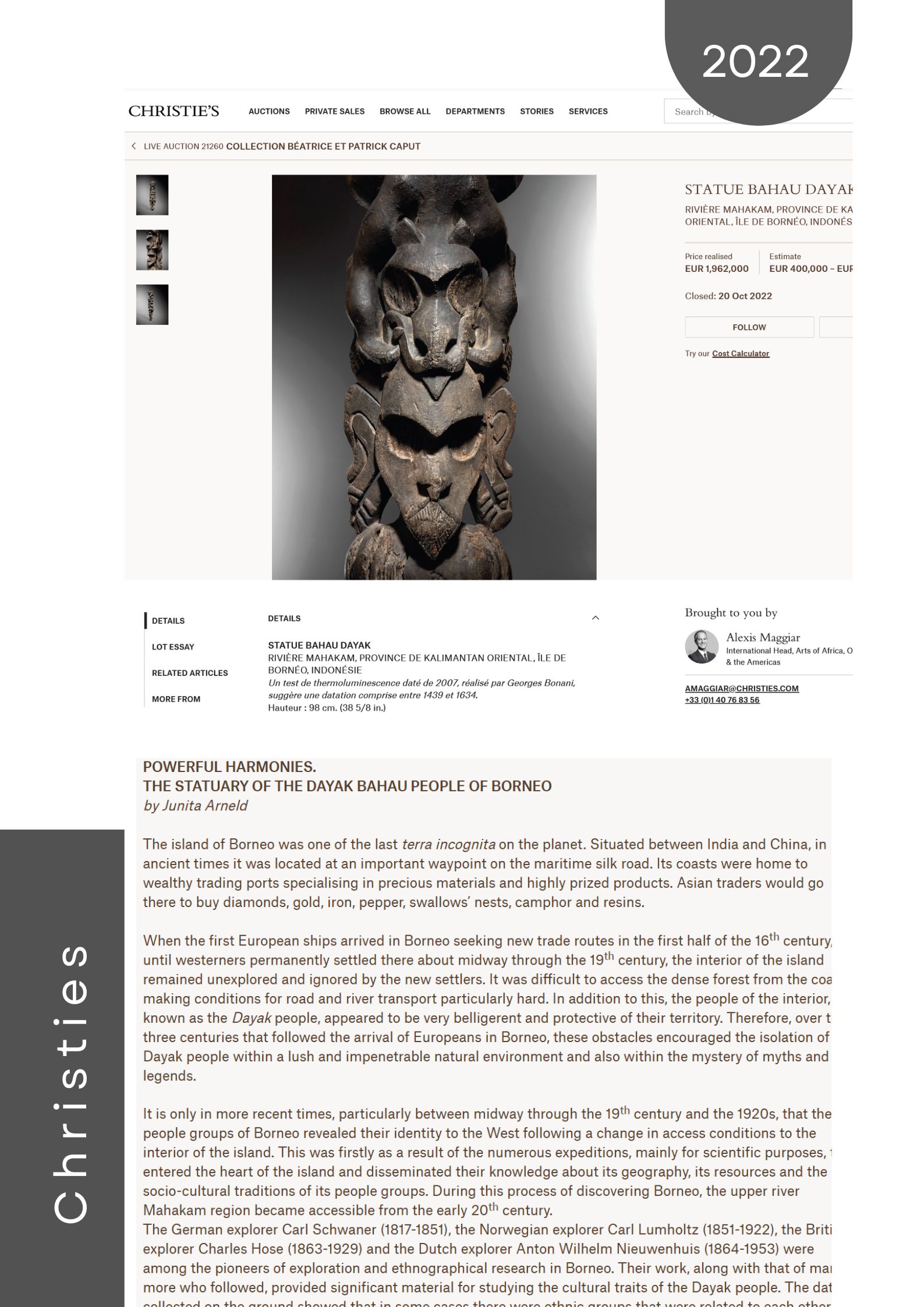
2022 · Essay on guardian spirits of the Dayak Benuaq people of Borneo.
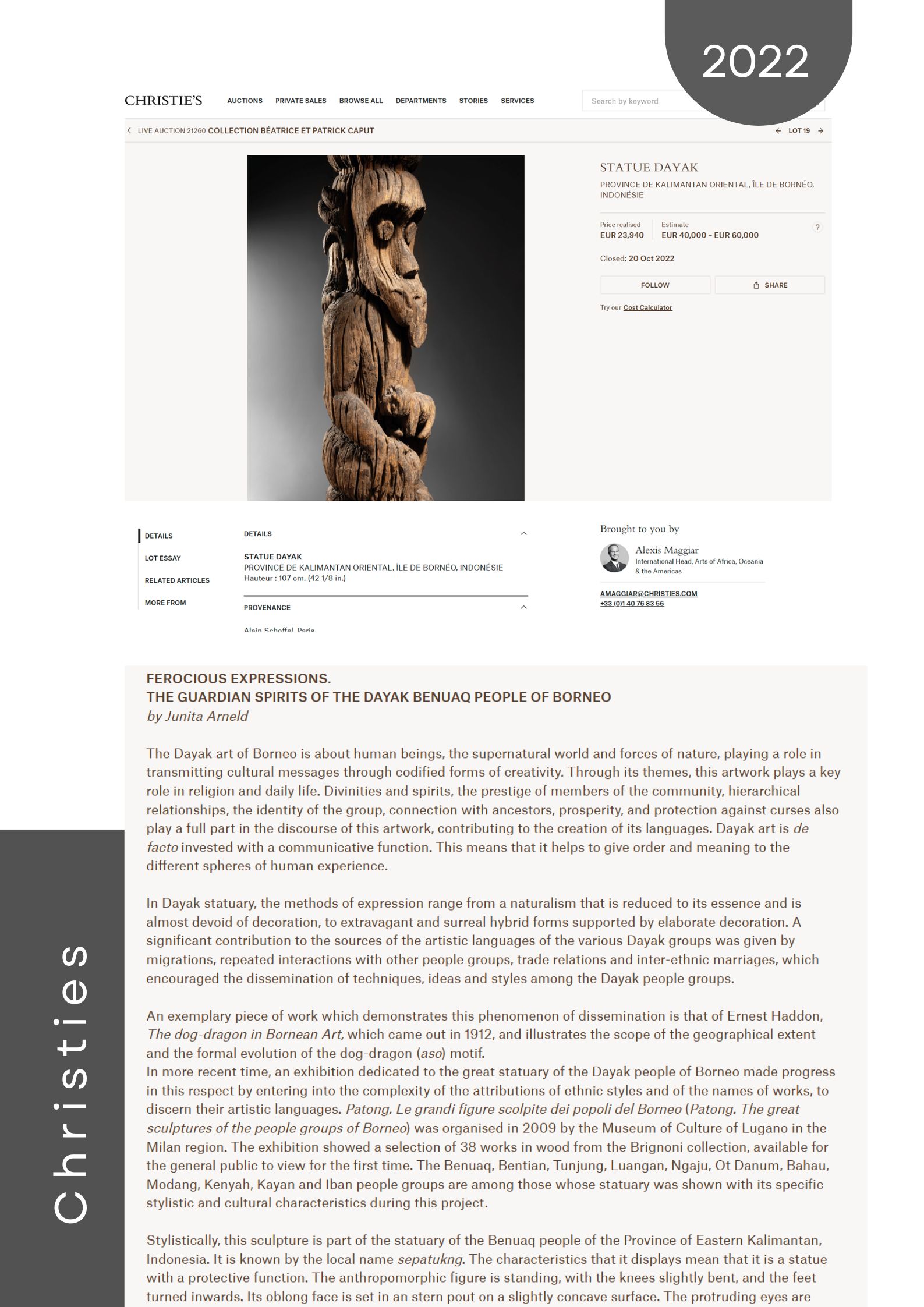
2022 · Essay on the statuary of the Dayak Bahau people of Borneo.
Direct links use the existing thejamart.com PDF folders, so the page remains stable when opened outside the root directory.
The work gives priority to what can be documented: object form, material presence, use, collection history, field context, and the knowledge carried by people and place.
Objects, images, and written sources connected to Ngaju, Katingan, Benuaq, Bahau, Ibanic, and related cultural worlds.
Research on sapuyung daré and other material forms where technique, ritual, identity, and transmission meet.
Object photography and field images used not as illustration alone, but as part of description and study.
Known details are separated from inference. Provenance, date, material, and ritual use are not invented when unverified.
Selected visual documentation for museum exhibitions, collections, and documentary projects, especially in Switzerland and in relation to Indonesian fieldwork.
Selected portfolio and documentation PDFs are linked directly from the thejamart.com server.
These notes accompany selected objects and themes. They are written as entry points: concise, grounded, and open to further research.
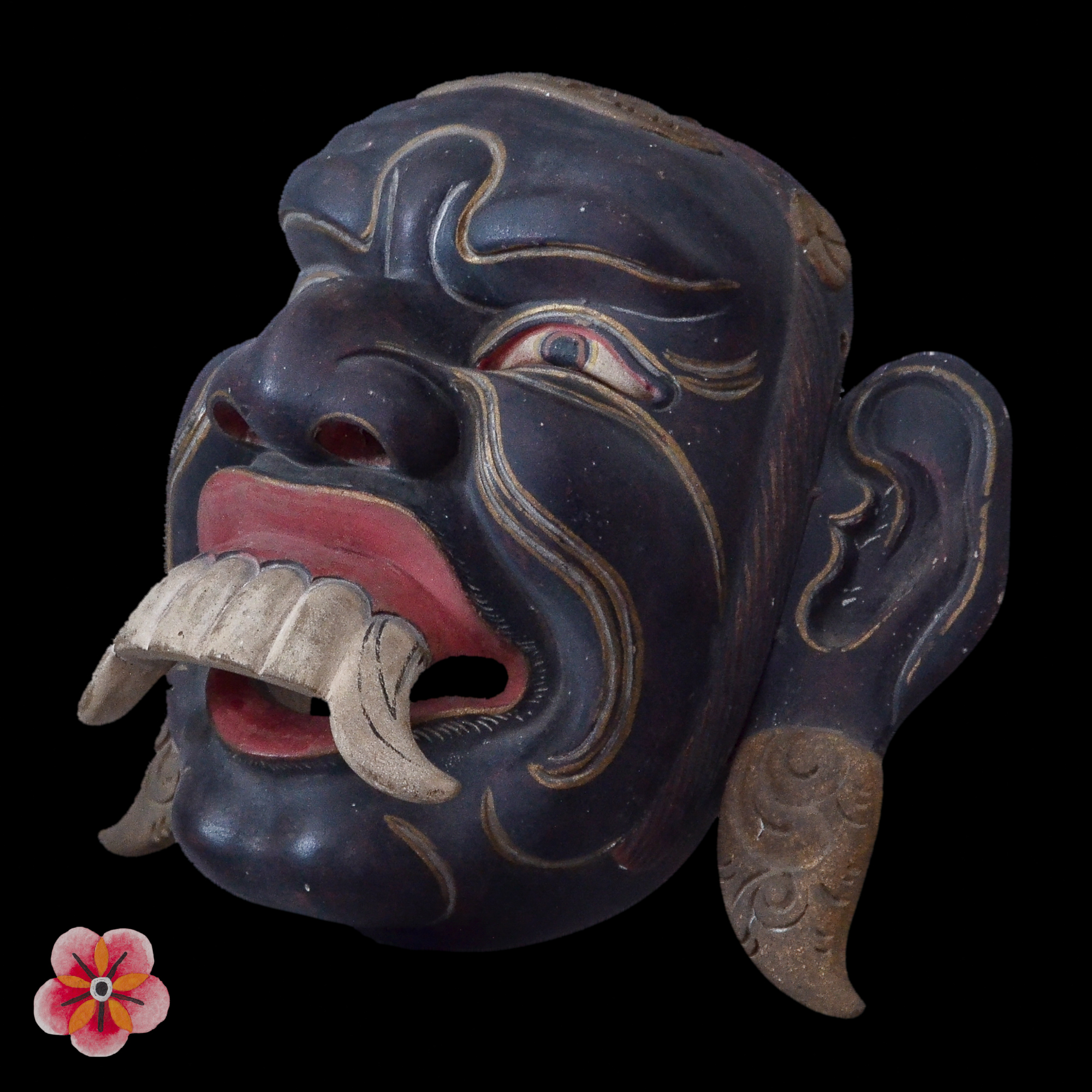
Mask · Bali · Barong landung, protection, and village ritual cycles.
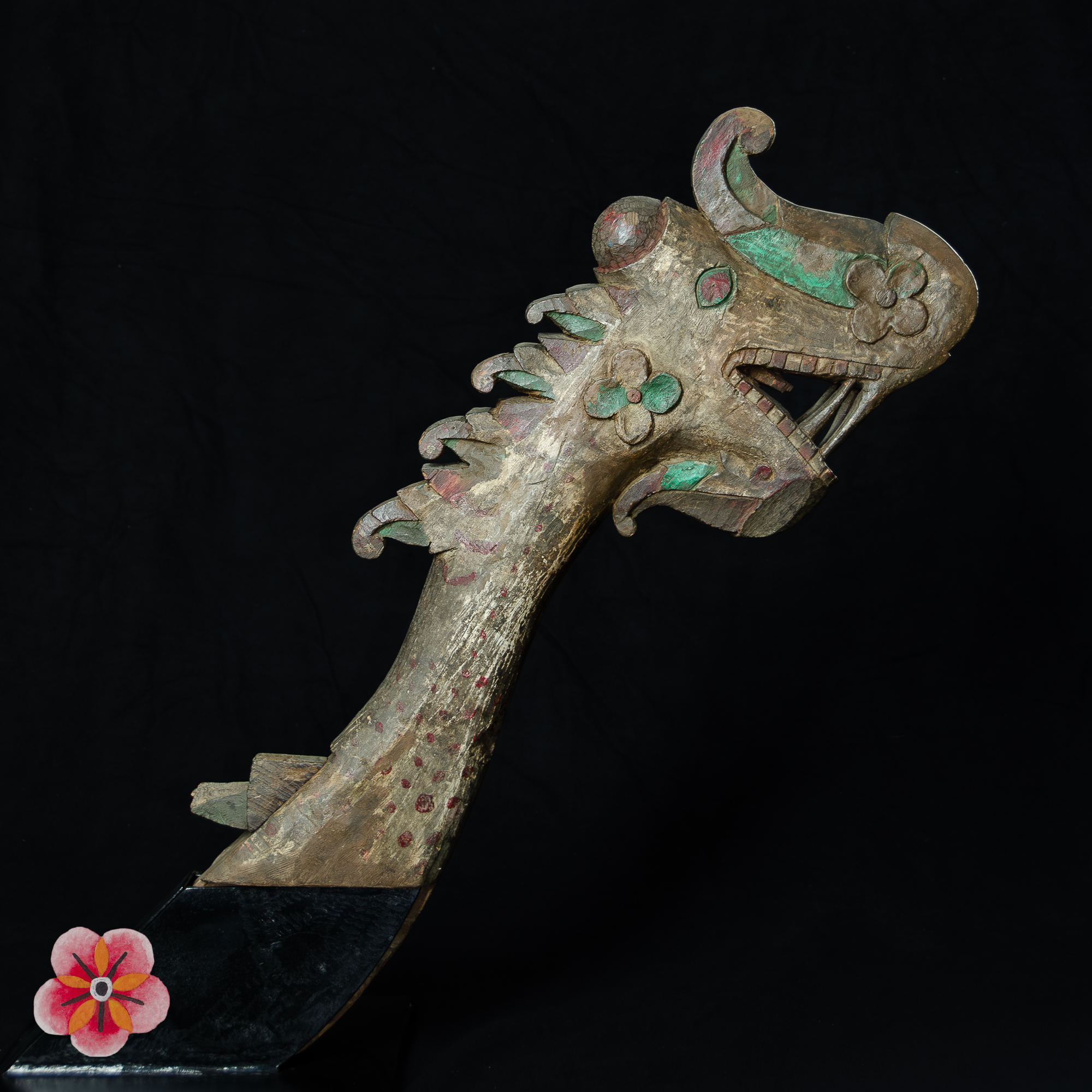
Motif · Borneo · A motif followed through form, transmission, and ritual setting.
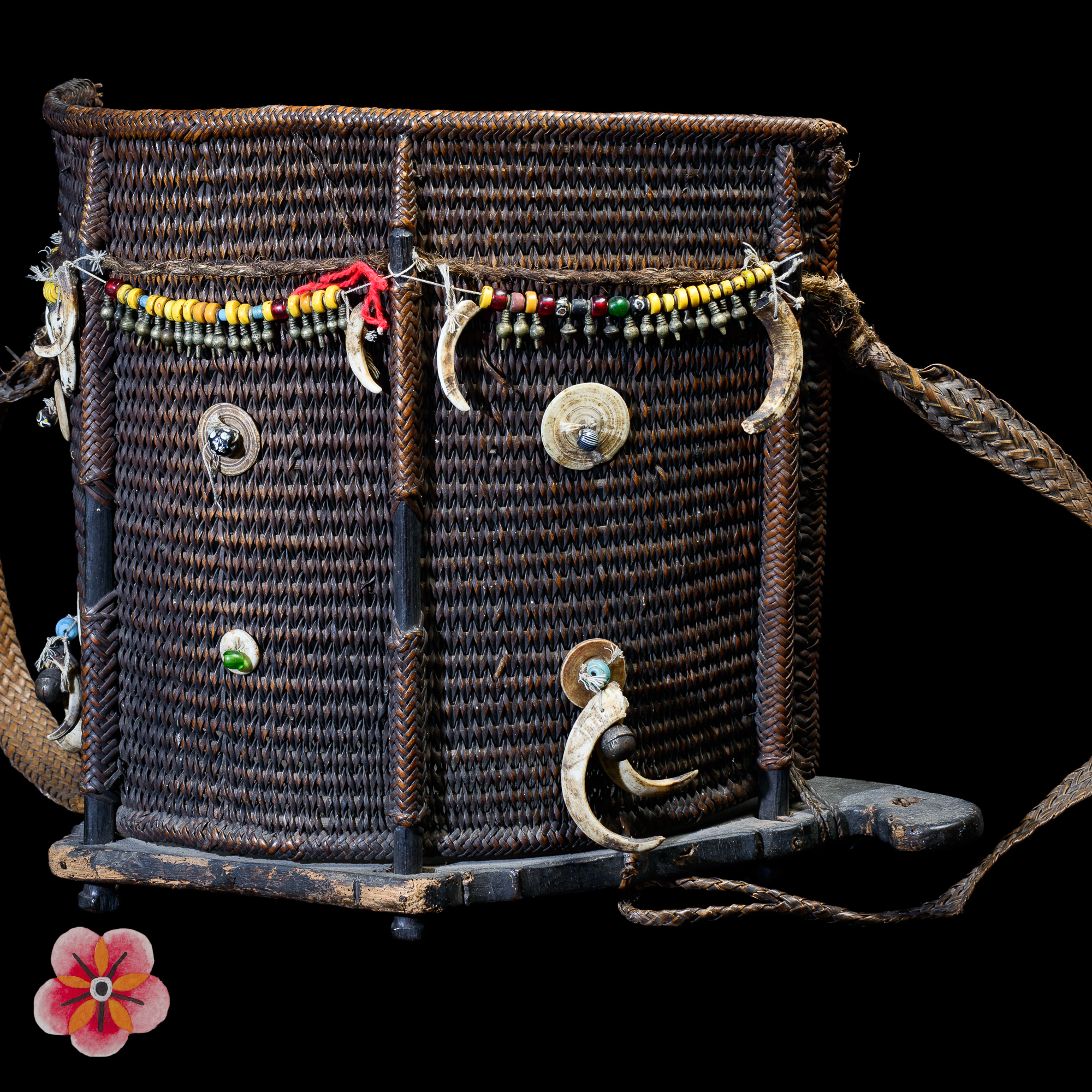
Heirloom · Borneo · Object, protection, rank, and family continuity.
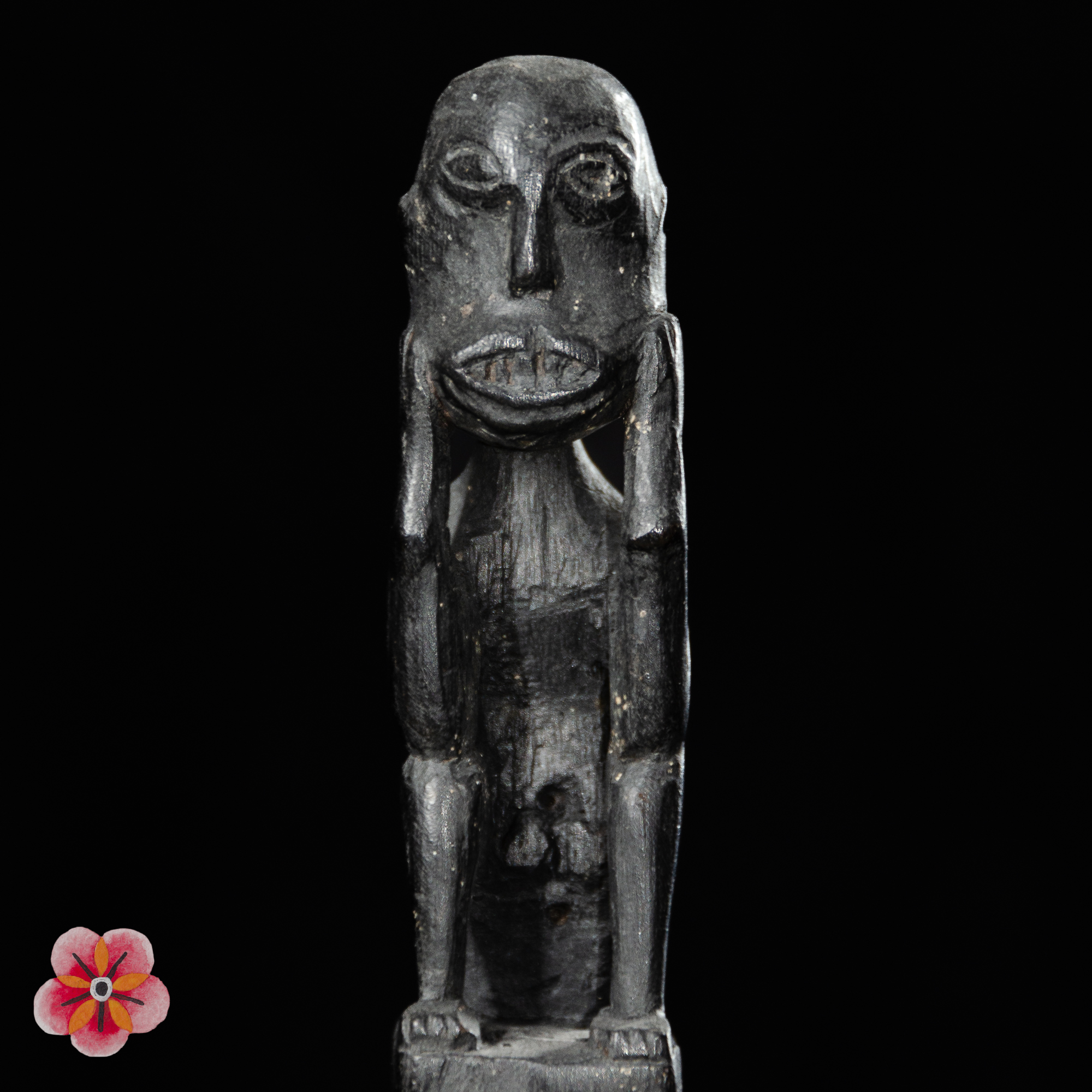
Tools · Borneo · From measurement and field use to ritual agency.
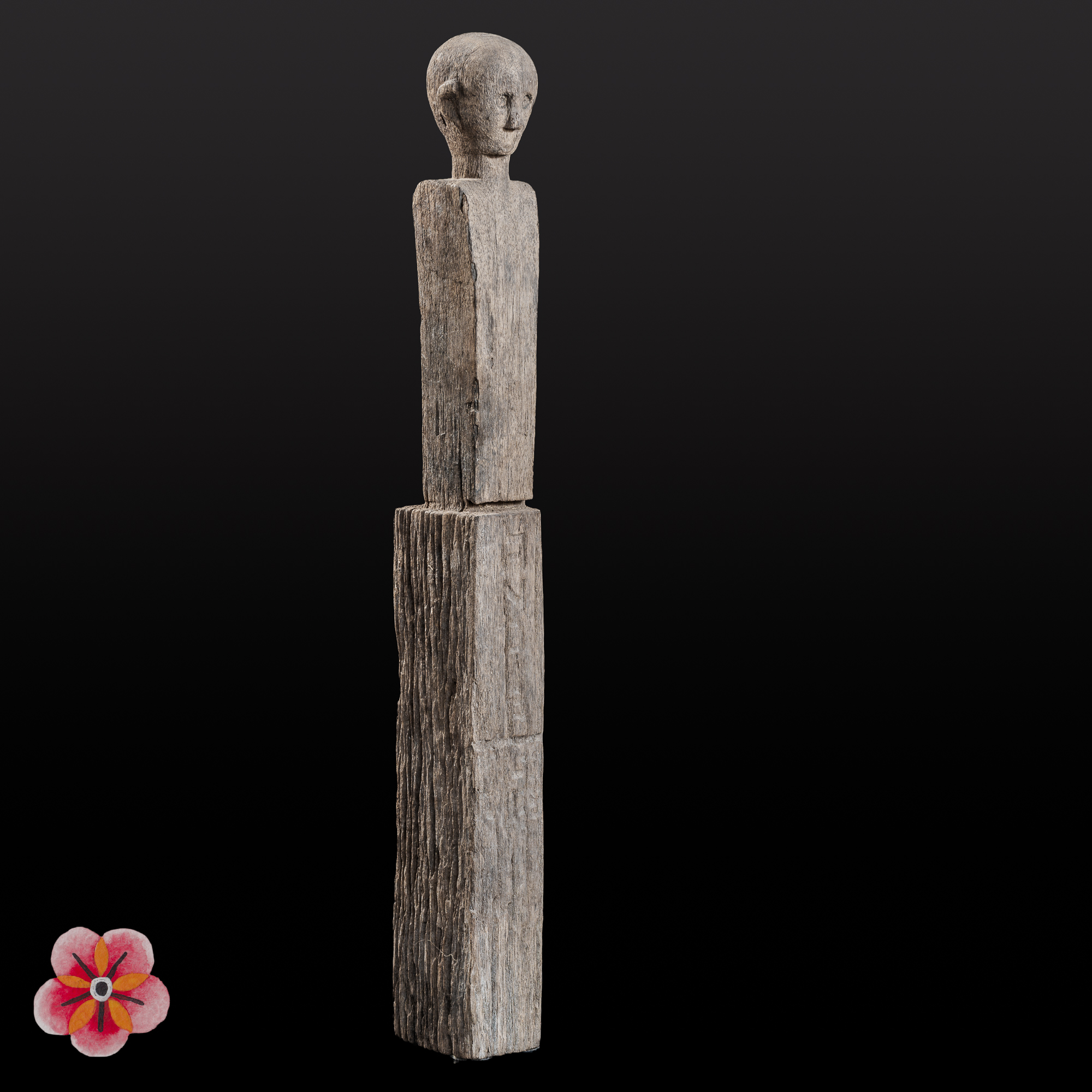
Post · Borneo · A ceremonial post read through structure, face, animal form, and context.
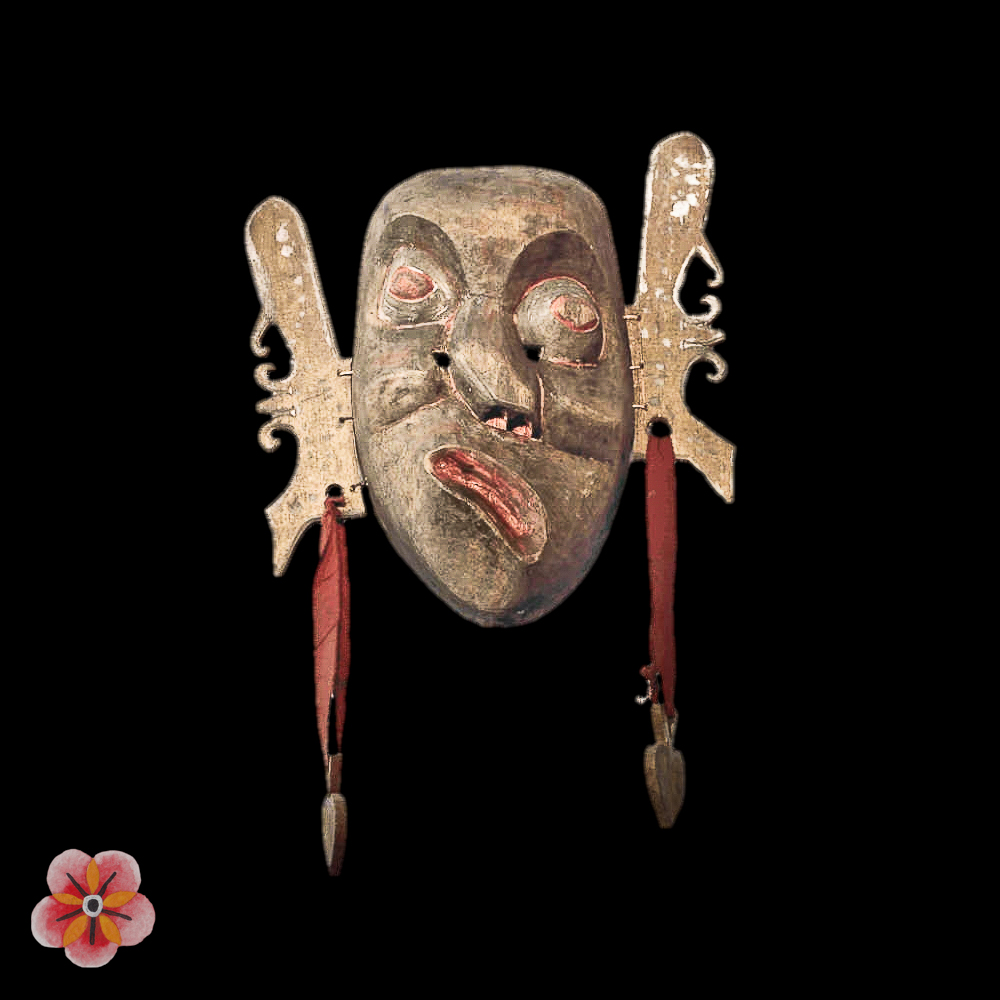
Mask · Borneo · Older performance worlds and modern looking practices, kept distinct.
Barong landung, protection, and village ritual cycles.
This note looks at Barong landung as ceremonial masks with social and ritual presence, not as decorative faces detached from use.
In Balinese contexts, such masks may be linked to protection, purification, and the restoration of balance. Local practice can vary, so the description remains close to visible form, known use, and careful comparison.
A motif followed through form, transmission, and ritual setting.
The lotus motif appears on certain Dayak ceremonial works, especially carved posts and related ritual forms. Its meaning should not be flattened into one universal symbol.
The better reading begins with placement: where the motif appears, how it is carved, and which object-world surrounds it. From there, comparison can be made with older Hindu-Buddhist visual vocabulary in the Indonesian archipelago.
Object, protection, rank, and family continuity.
Bornean baby carriers combine practical use with social and protective functions. They carry the child, but they also carry family memory.
Beads, bells, teeth, textile, and carved elements may signal status, protection, and lineage. When a carrier is no longer used, it can remain within the family as a biography in material form.
From measurement and field use to ritual agency.
This note follows carved rods and stakes such as tuntun, kelulong, and agom through their practical and ritual dimensions.
Some forms are connected to hunting, rice protection, or field practice. The page avoids reducing them to charm objects alone: their meaning sits in use, placement, carving, and community knowledge.
A ceremonial post read through structure, face, animal form, and context.
The blontang post is approached here through visible structure: carved face, body, lower motifs, animal forms, and the role of the post within ceremonial settings.
Where provenance, collection history, or ceremonial role is confirmed, it can be stated directly. Where information remains incomplete, the page keeps the claim open rather than filling the gap with decorative language.
Older performance worlds and modern looking practices, kept distinct.
Hudoq masks have long drawn attention from collectors and modern artists because of their striking forms. That attraction should be handled carefully.
A responsible reading can acknowledge modern reception without claiming that Bornean art simply served European art history. The mask remains first within its own cultural world: performance, agriculture, community, and renewal.
For publication references, image licensing, object documentation, or a discreet enquiry connected to the collection, contact The JAM ART directly.